Popular Flowers in [NEIGHBOURHOOD]: What [POSTCODE] Locals Love
Posted on 21/11/2025
Popular Flowers in Islington: What N1 Locals Love
If you live in N1, you already know: flowers are not just decoration in Islington. They're part of the neighbourhood's rhythm. From window boxes on Georgian terraces to Saturday bouquets from Columbia Road a short stroll away, the popular flowers in Islington say a lot about how we live, celebrate, and unwind. This long-form guide dives into Popular Flowers in Islington: What N1 Locals Love--seasonal favourites, care tips, local insights, even a touch of law and compliance (because London) to help you buy better bouquets, grow smarter, and make your space feel warm and alive. It's practical and a bit personal. To be fair, flowers do that to us.
Quick moment: it was raining hard outside the day I visited a small florist off Upper Street. Someone walked in, damp fringe, laughing, asking for "something that smells like Saturday". The florist handed over a bundle of sweet peas and stocks. The whole shop felt suddenly lighter. You'll see why certain stems just work here.
Table of Contents
- Why This Topic Matters
- Key Benefits
- Step-by-Step Guidance
- Expert Tips
- Common Mistakes to Avoid
- Case Study or Real-World Example
- Tools, Resources & Recommendations
- Law, Compliance or Industry Standards (UK-focused)
- Checklist
- Conclusion with CTA
- FAQ
Why This Topic Matters
"Popular Flowers in Islington: What N1 Locals Love" isn't just a nice-to-have list; it's a useful local playbook. In dense inner-London neighbourhoods like Islington, space is precious and time is short. Choosing the right flowers means getting the most joy from small balconies, shady courtyards, narrow windowsills, and quick gift runs for a dinner on Essex Road. It's about fit. Fit with our microclimate, fit with local supply, fit with your lifestyle.
There's a sustainability angle too. Picking seasonal and locally supplied stems cuts down on transport emissions and supports small businesses. The Royal Horticultural Society (RHS) and London's climate action plans all nudge us towards smarter plant choices--think pollinator-friendly, peat-free, longer lasting. Truth be told, it also makes your bouquet smell better and your garden behave better.
And then there's mood. Flowers lower stress and increase perceived happiness--multiple studies confirm what your nose and eyes already tell you. A jug of fragrant stocks on the kitchen counter, peonies in late spring, or even winter's paperwhites on the windowsill--tiny rituals that make home feel like home. Clean, clear, calm. That's the goal.
Key Benefits
Here's what N1 locals tend to gain when they lean into the flowers that truly work for Islington life:
- Longer vase life when you choose seasonal stems and handle them properly. Fresher in, fresher out.
- Stronger scent profiles by focusing on flowers that travel less and are cut at the right stage--sweet peas, garden roses, stocks, and freesias sing in small London flats.
- Better for bees via nectar-rich, pesticide-conscious choices like lavender, salvia, and cosmos in containers.
- Simpler maintenance with varieties suited to typical N1 conditions--partial shade, sheltered courtyards, and radiators that make rooms drier than we'd like.
- Reduced waste and cost by buying in-season and locally where possible. Less spoilage, happier wallet.
- Reliable colour palettes that make decorating easy--soft blush peonies, eucalyptus greens, late-summer dahlias, and winter amaryllis.
- Local availability--you can actually find these blooms at nearby markets and florists without a wild goose chase.
Small side note: one reader told me they swapped imported out-of-season roses for British-grown tulips in February and saved enough to pay for a nice bottle of Barolo for the dinner. Not bad.
Step-by-Step Guidance
Below is a friendly, detailed path to picking, buying, displaying, and caring for the flowers that N1 residents reach for again and again. Consider it your practical guide to "Popular Flowers in Islington: What N1 Locals Love."
1) Decide the purpose
- Home refresh: prioritise scent and fuss-free care (stocks, freesias, lilies if you're not sensitive, eucalyptus).
- Gift bouquet: choose widely loved seasonal stars (peonies May-June, tulips Jan-April, dahlias Aug-Oct, garden roses summer).
- Event or dinner: low-profile centrepieces with gentle fragrance--ranunculus, anemones, lisianthus, herbs like mint or rosemary.
- Balcony/window box: tough and tidy performers (lavender, pelargoniums, ivy, salvia, pansies, cyclamen in winter).
2) Match the season
Buying seasonally is the single biggest win. You'll get better quality and price, and stems simply behave better.
- January-February: tulips, narcissus (paperwhites), anemones, hellebores. Crisp and bright when the sky isn't.
- March-April: ranunculus, hyacinths, daffodils, early blossom (cherry, quince), muscari.
- May-June: peonies (the N1 darling), sweet peas, garden roses, foxgloves, delphinium, alliums.
- July-August: dahlias (explosive colour), sunflowers, zinnias, cosmos, hydrangeas.
- September-October: late dahlias, Japanese anemones, chrysanthemums, sedum, rose hips.
- November-December: amaryllis, ilex berries, eucalyptus, spruce and pine for wreaths, winter jasmine.
Ever tried clearing a room and found yourself keeping everything? Same thing with flowers in shoulder seasons--be selective. A tight palette looks intentionally lovely.
3) Source smartly (N1-friendly)
- Local florists: look for shops that advertise British-grown or seasonal. You'll smell the difference.
- Markets: Columbia Road Flower Market (Sundays) is close enough for many N1 folks; go early to avoid the crush.
- Subscriptions: weekly or monthly deliveries tuned to season can simplify life if you're busy.
- Grow a little: a window box with lavender, rosemary, thyme, and a splash of violas gives you scent plus cuttable bits for small arrangements.
4) Prep like a pro
- Clean vase: wash with warm water and a tiny drop of unscented soap or a dash of bleach. Rinse thoroughly. Hygiene is everything.
- Fresh cut: trim stems at a 45-degree angle under running water. Remove leaves that would sit below the waterline.
- Flower food: use the sachet or make your own (a tiny pinch of sugar + a few drops of bleach + pinch of citric acid/lemon). Don't overdo it.
- Water temp: cool for bulb flowers (tulips, daffodils), room temp for most others.
5) Arrange for your space
- Small flats: choose a compact bouquet with a focal (peony, rose) and fillers (waxflower, limonium) with one hero scent (stocks or freesias).
- Scent strategy: one scented element per room is usually enough. N1 kitchens love fresh herbs, not overpowering lilies.
- Colour harmony: pick 2-3 colours max. Soft pink peonies + white stocks + grey-green eucalyptus is a classic Islington combo.
- Vase height: keep stems 1.5 times the height of the vase for a balanced look.
6) Maintain for longevity
- Change water every 1-2 days; recut stems by 1-2 cm.
- Keep away from radiators, direct sun, and fruit bowls (ethylene gas ages flowers fast).
- Remove fading heads quickly to save the arrangement.
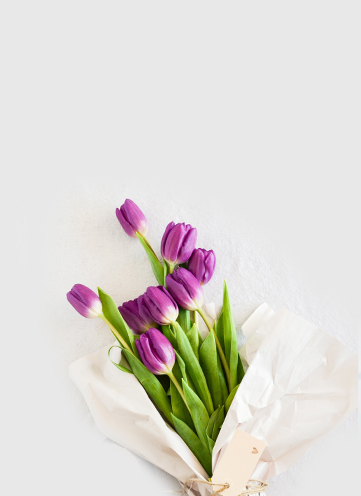
- Tulips? Wrap loosely in paper and stand in shallow, cold water for an hour to straighten. Works like a charm.
7) Grower's corner for N1 balconies and windows
- Sun traps: pelargoniums, lavender, rosemary, sedum, dwarf dahlias (with large containers).
- Shade-friendly: ferns, heuchera, hellebores, ivy, hydrangeas (morning sun, afternoon shade).
- Winter cheer: cyclamen, violas, skimmia, evergreen herbs.
- Pollinator picks: salvia, verbena bonariensis (if you have space), cosmos, marjoram.
You could almost smell the compost on a fresh Saturday morning when you water a new container. Little rituals pay off.
Expert Tips
Here are field-tested insights we use daily when advising N1 residents on bouquets and balcony plantings:
- Choose by nose and hand: gently squeeze the base of a peony--if it's marshmallow-soft, it'll open beautifully. Stocks should feel firm and smell sweet.
- Daffodils + others? Not at first: daffodil sap can shorten the life of other stems. Condition daffs in their own water for a few hours, then combine.
- Mix texture for depth: pair a blousy bloom (peony, garden rose) with something airy (asparagus fern, waxflower) and something structural (eucalyptus, ruscus).
- Mind the heat: Islington flats can run warm. Opt for hardier cuts in summer--zinnias, dahlias, chrysanthemums, alstroemeria. They don't sulk as quickly.
- Hypoallergenic swaps: prefer roses, orchids, tulips, hydrangea over high-pollen lilies. Snip lily anthers if you keep them.
- Water quality: if your tap water is very hard, add a splash of filtered water for delicate stems like ranunculus.
- Foliage first: start arrangements with foliage to create a "nest," then add focal blooms, then fillers. You'll use fewer stems and get a fuller look.
- Peat-free compost: for containers, use high-quality peat-free mixes. It's better for the planet and compliant with UK horticulture best practice.
- Ethylene watch-outs: keep flowers away from ripening bananas and apples. Yes, really.
One more: when in doubt, go seasonal and British-grown. Nine times out of ten, it's the right call.
Common Mistakes to Avoid
- Overcrowding vases: stems need breathing room. Otherwise, bacteria bloom and flowers fade fast.
- Mixing incompatible stems: daffodil sap, woody stems un-splitted, and some milky-sap flowers can shorten vase life for others.
- Ignoring water hygiene: cloudy water is your enemy. Change it. No shame--just do it.
- Overwatering containers: London balconies + saucers = root rot. Add drainage and check the soil before watering.
- Wrong plant for the spot: hydrangea in harsh afternoon sun? Crispy leaves. Lavender in deep shade? Leggy and sad.
- Buying purely by looks: consider scent, pollen, and pet-friendliness (lilies are toxic to cats).
- Skipping conditioning time: a calm, cool hour in water after trimming does wonders before arranging.
Yeah, we've all been there. A too-full vase. A droopy tulip. It's fixable.
Case Study or Real-World Example
Amelia & Josh, Barnsbury (N1): From bare balcony to a calm green corner
They'd just moved into a first-floor flat near Thornhill Square. West-facing balcony, a bit windy, no time for fuss. We mapped a simple plan: two large containers with dwarf dahlias (summer), lavender, and trailing ivy; plus a small herb trough for mint and rosemary. For indoor flowers, they set a recurring order--seasonal bunch every other Friday: tulips in winter, peonies in late spring, dahlias post-July.
After three months:
- Balcony use increased: "We actually eat outside twice a week when it's warm."
- Lower waste: seasonal stems lasted 2-3 days longer on average than their old supermarket bouquets.
- Pollinator visits: lavender and cosmos brought bees by mid-July. A small miracle six metres above the pavement.
Small human moment: the first peony opened on a Wednesday morning. It was pale blush and huge, and Amelia sent a photo that said simply, "This is ridiculous." In the best way.
Tools, Resources & Recommendations
These tools and local resources will make your N1 flower life smoother, cheaper, and frankly, prettier.
Local and nearby florists (ask for seasonal/British-grown)
- Botanique Workshop (Exmouth Market, EC1R)
- Grace & Thorn (Shoreditch, E2)
- Urban Flower Co (Crouch End, N8)
- Columbia Road Flower Market (E2) for Sunday selection
Tools and supplies
- Florist's scissors or snips for clean cuts
- Peat-free compost and lightweight containers with drainage
- Soil moisture meter if you tend to overwater
- Flower food or DIY ingredients (sugar, bleach, citric acid)
- Soft twine and floral tape for arranging
Digital helpers
- Met Office app for frost alerts and heatwaves (balcony plant protection)
- RHS Plant Finder for care advice and pollinator-friendly picks
- Islington Council pages for green waste and community gardening schemes
Top varieties that N1 locals repeatedly love
- Peonies (May-June): corals, blush, and whites are the crowd-pleasers.
- Tulips (Jan-April): parrot, fringed, and classic single varieties.
- Garden roses (Summer): richly scented; David Austin styles are popular.
- Dahlias (Aug-Oct): cafe au lait, bishop series, pompon types.
- Stocks & freesias: for that unmistakable scent that fills a room.
- Eucalyptus (year-round): soothing colour, long-lasting foliage.
Put simply: if you pick from this list in the right month, you'll rarely miss.
Law, Compliance or Industry Standards (UK-focused)
Flowers and small gardens feel simple, but in the UK there are a few rules and best practices to keep you on the right side of things.
- UK Plant Health Regulations: Nurseries and sellers must follow plant passport and biosecurity rules to prevent pests/diseases spreading. Buying from reputable sellers helps keep your plants--and neighbours'--healthy.
- Wildlife and Countryside Act 1981: It's illegal to plant or cause certain invasive species to grow in the wild (e.g., Japanese knotweed, giant hogweed). Avoid buying invasive plants and never dump garden waste in public spaces.
- Anti-social Behaviour Act 2003 (High Hedges): If you're planting hedges or tall shrubs on the front or back, be mindful of height and neighbour light--hedge disputes can escalate.
- Highway Act & Local Byelaws: Overhanging shrubs/roses that obstruct pavements can be an issue. Trim back to your boundary for safety and courtesy.
- Pesticides (HSE): Only use approved products and follow labels exactly. Neonicotinoids are largely restricted; choose pollinator-friendly, low-impact alternatives.
- Peat policy: The UK is phasing out peat use in horticulture retail. Choose peat-free media--it's better for peatlands and climate commitments.
- Cutting from parks: Don't. Picking flowers from council-maintained beds or nature areas is not permitted.
- Disposal: Use Islington Council's food/garden waste schemes for clippings. Don't pour bleach-heavy vase water onto soil--dilute first or dispose via sink with plenty of water.
It sounds a lot, but it's mostly common sense: buy from reputable sources, be neighbourly, and protect wildlife. Simple.
Checklist
Use this quick checklist before your next flower run or balcony refresh in N1:
- Purpose clear? Home, gift, event, or balcony.
- Season matched? Pick what's thriving now.
- Allergies/pets considered? Swap high-pollen lilies for roses or tulips if needed.
- Right tools ready? Clean vase, snips, flower food.
- Space assessed? Light, heat, and vase height sorted.
- Foliage first, then focal blooms, then fillers.
- Water plan? Change every 1-2 days.
- For containers: drainage, peat-free compost, and right plant for the spot.
- Law check: no invasive species, keep plants within your boundary.
Tick those off, and you're on track for that effortless, lived-in Islington look--without the faff.
Conclusion with CTA
So, what's the heart of Popular Flowers in Islington: What N1 Locals Love? Seasonality, scent, and simple care. Whether it's tulips brightening a grey January, peonies softening a summer table, or dahlias putting on a show in late August, the stems that locals adore fit our streets and our schedules. They're available, sustainable (mostly), and genuinely uplifting.
Take a walk down Upper Street on a breezy evening and you'll see it: flickers of colour on balconies, a wreath on a blue door, someone juggling a paper-wrapped bouquet and a coffee. Small moments that add up to a welcoming neighbourhood.
Get a free quote today and see how much you can save.
And if you just needed someone to say it: yes, buy the flowers. You'll smile every time you walk past them.
FAQ
What are the top three flowers N1 locals buy most often?
Across seasons, the big winners are tulips (winter to early spring), peonies (late spring/early summer), and dahlias (late summer to early autumn). Year-round, eucalyptus foliage appears in many arrangements for its calming colour and longevity.
Which flowers last the longest in a warm Islington flat?
Chrysanthemums, alstroemeria, carnations, and some spray roses are excellent for staying power. In summer, zinnias and dahlias fare well if you change water frequently and keep them out of direct sun and away from radiators.
What's a great hypoallergenic bouquet idea for guests?
Try roses, orchids, hydrangea, and tulips with eucalyptus or ruscus foliage. Avoid high-pollen lilies or remove anthers. Stocks can be scented but may bother some--test in a small arrangement first.
How do I stop tulips from flopping over?
Trim stems, pop into cold water, and keep them in a cool spot for a few hours. You can loosely wrap the bouquet in paper to encourage straighter stems. Use a tall vase that supports them and refresh water daily.
Can I mix daffodils with other flowers?
Yes, but condition them separately for a few hours first. Daffodils release a sap that can reduce vase life for companions. After conditioning, you can combine cautiously.
What flowers are best for small N1 balconies?
Lavender, pelargoniums, ivy, herbs (thyme, rosemary), dwarf dahlias, violas, and cyclamen (winter). They handle containers well and bring colour and scent without overwhelming the space.
Which seasonal flowers feel most "Islington" for a dinner table?
Spring: ranunculus and anemones with eucalyptus. Early summer: peonies and stocks. Late summer: dahlias with airy cosmos. Autumn: chrysanthemums and rose hips. Winter: amaryllis with greenery and berries.
How can I make bouquets more sustainable in N1?
Buy seasonal and British-grown when possible, choose peat-free compost for any potted plants, reuse vases, and compost your spent stems via council schemes. Ask florists about foam-free arrangements, which are better for the environment.
Are lilies safe for cats and dogs?
Lilies are dangerous for cats (even small exposures can be serious). If you've got pets, opt for safer alternatives like roses, gerbera, snapdragons, or orchids, and always place flowers out of reach.
How much should I budget for a quality bouquet in Islington?
For seasonal stems from a good local florist, expect around ?30-?60 for a gift bouquet, more for elaborate or imported options. Market buys can be cheaper, especially near closing, but conditioning and arranging are on you.
Can I pick flowers from public beds or parks?
No. It's not permitted and undermines community planting. Support local florists or grow your own in window boxes and containers--much more satisfying.
Is there a simple monthly plan for flowers at home?
Yes. Jan-Feb: tulips and narcissus. Mar-Apr: ranunculus, hyacinths. May-Jun: peonies, garden roses. Jul-Aug: dahlias, zinnias. Sep-Oct: chrysanthemums, Japanese anemones. Nov-Dec: amaryllis and winter greenery. That rhythm works beautifully in N1.
What colour palettes are trending locally?
Soft blush and white with eucalyptus is timeless. Summer brings bolder palettes--coral, deep pink, and apricot dahlias. Autumn leans into burnt orange and rust chrysanthemums. In winter, whites and greens with berry accents feel calm and elegant.
Any quick fix if my bouquet is drooping after a hot commute?
Recut stems, place in cool water with fresh flower food, and rest the bouquet in a cool, dim spot for 1-2 hours. Most stems will revive. If it's really hot, add a couple of ice cubes to the vase.
What's a safe, beautiful option if I don't know the recipient's tastes?
A neutral, seasonal bunch: white/cream roses, lisianthus, eucalyptus, and one textural filler (waxflower or limonium). Elegant, not overpowering, and suits most interiors.
Which flowers smell the best without overwhelming a small flat?
Freesias, sweet peas, garden roses, and stocks--used sparingly. One scented element per room is a good rule of thumb to avoid scent fatigue.
Last thought--flowers are a small kindness to yourself and anyone who steps into your home. On a grey London morning, that kindness goes a very long way.


Latest Posts
Popular Flowers in [NEIGHBOURHOOD]: What [POSTCODE] Locals Love
Flower Delivery in [AREA]: What Locals Need to Know
7 Fascinating Secrets About Tulips You Never Knew
Blossoming Identity: Which Flower Embodies Your Personality
Unveiling the secrets behind peony flower meanings and colors